Can you pay with USDT in Malaysia? Directly, almost never: Malaysian shops price and settle in ringgit through DuitNow QR, FPX, cards and e-wallets like Touch 'n Go eWallet, Boost, GrabPay and ShopeePay. USDT is not legal tender and nobody has to accept it. Where USDT payments do happen is through crypto debit cards that convert your USDT at checkout, and in cross-border deals with overseas suppliers, freelancers and online services that ask to be paid in USDT.
Here is how each route works, what it really costs in ringgit, and the risks to know before you rely on it.
The legal position on paying with crypto
A joint statement by Bank Negara Malaysia and the Securities Commission says digital assets are not legal tender and are not a payment instrument regulated by BNM. In practice:
- No merchant is required to accept USDT.
- We found no explicit criminal ban on private parties agreeing to settle in crypto.
- You get none of the protections of regulated payment methods: no chargebacks, no PayNet dispute process, no deposit insurance.
Bank Negara's own stablecoin work, through its Digital Asset Innovation Hub, is focused on ringgit stablecoins and tokenised deposits for business settlement. Those pilots are not retail payment options. More on the rules in our legal status guide.
Ways people pay with USDT
| Method | How it works | Good for | Main drawback |
|---|---|---|---|
| USDT debit card | Card sells USDT at checkout; merchant gets ringgit | Everyday spending, travel | Issuer usually offshore; layered fees |
| Direct USDT transfer | You send USDT to the payee's address | Overseas suppliers, freelancers | No refunds, network mistakes |
| Crypto payment gateway at an online shop | Checkout page accepts USDT | Some global online services | Limited Malaysian merchants |
| Convert to ringgit first | Sell USDT, pay normally with DuitNow or card | Anything local | Extra step, spread |
For most local spending, the last row, selling USDT for ringgit and paying normally, is still the simplest and safest. See how to sell USDT.
How USDT cards work
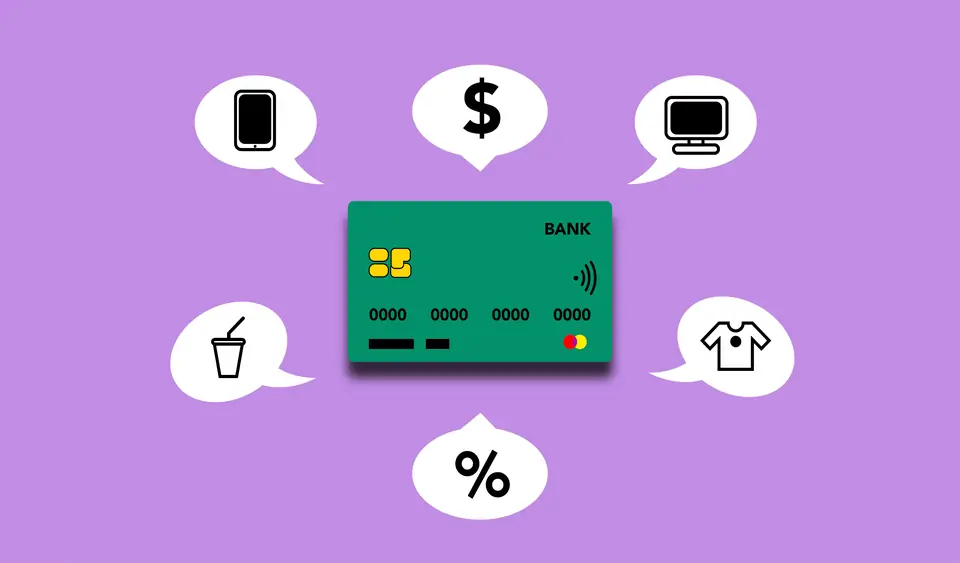
A USDT card, sometimes called a crypto card, is a Visa or Mastercard debit card linked to a crypto balance. When you tap it at a 99 Speedmart or pay online:
- The card network asks the issuer to approve, say, RM120.
- The issuer sells enough USDT from your balance to cover it, often converting USDT to US dollars or euros first.
- The merchant receives ringgit through the card network as with any other card.
The shop never touches crypto. You are effectively selling USDT every time you pay.
What a USDT card really costs in ringgit
Fees come in layers, and the headline cashback rarely tells the whole story. Here is an illustration with assumed fees, not any particular card:
| Cost layer | Example assumption | On RM1,000 of spending |
|---|---|---|
| Conversion spread, USDT to card currency | 0.5% | RM5 |
| Foreign currency fee, card in USD paying in MYR | 1% | RM10 |
| Monthly or card fee | RM0–RM10 | RM0–RM10 |
| ATM withdrawal, if used | flat fee plus bank charges | varies |
| Total before cashback | RM15–RM25 |
Compare that with paying by DuitNow QR or a local debit card, which typically costs the shopper nothing. A USDT card makes sense mainly if your income already arrives in USDT and you would otherwise pay to convert it, or for overseas travel where it may compete with your bank's foreign transaction fees.
Choosing a USDT card: a checklist
Before you apply for a USDT card
Red flags ticked: 0/8Fund your new wallet
Buy USDT on an established, identity-verified exchange and withdraw it to the wallet address you just set up. Send a small test amount first.
Operating since 2013 and registered with FinCEN (US) and the FCA (UK); readers in Malaysia are served by its international entity, which is not on the Securities Commission's list of registered exchanges. Check availability and Malaysian rules before you sign up.
Paying overseas suppliers and freelancers in USDT
This is where USDT is genuinely useful for Malaysians. Online sellers, small importers and agencies sometimes pay suppliers or contractors abroad in USDT because it settles in minutes, works outside banking hours and avoids correspondent bank fees.
- Agree the amount in USDT, the network and the address in writing. An invoice or purchase order that states "500 USDT on TRC20 to address T…" avoids disputes.
- Verify the address through a second channel, such as a call, especially if payment details "changed" by email. Business email compromise scams love stablecoins.
- Send a small test, then the balance. Follow our guide to sending USDT.
- Save the TXID with the invoice. It is your proof of payment, for the supplier and for your accounts.
- Record the ringgit value on the payment date for your bookkeeping.
Remember that there are no chargebacks. If goods never arrive, you cannot ask a bank to reverse a USDT payment, so use it with suppliers you already trust or with an escrow arrangement.
For Malaysian businesses thinking of accepting USDT
Some freelancers, agencies and online businesses in Malaysia accept USDT from overseas clients. If you do:
- Tax: income received in USDT is taxable at its ringgit value when received, according to LHDN's guideline on digital currency. See our USDT tax guide.
- Pricing: price in ringgit or US dollars and convert at the time of payment, so currency moves do not eat your margin.
- Source of funds: USDT received from unknown parties can be linked to scams, and Tether can freeze addresses involved. Know your customer.
- Cash-out: plan how you will convert to ringgit, ideally through an SC-registered exchange where possible, rather than P2P strangers.
- Refunds: decide in advance whether you refund in USDT at the original amount or in the ringgit equivalent, and put it in your terms. Disputes over which rate applies are common when currencies move.
- Wallet security: use a business wallet separate from personal funds, with proper backups. Our USDT wallet guide explains the options.
A worked example: a freelancer's month
Arif is a video editor in Kuching. A Singapore agency pays him 1,200 USDT a month on TRC20. He has three ways to spend it:
| Option | What he does | Rough cost |
|---|---|---|
| Sell all, spend ringgit | Sells USDT for MYR, pays rent and groceries by DuitNow and debit card | One spread on the sale |
| USDT card for daily spending | Tops up the card, taps it at shops | Spread plus foreign currency fee on every purchase |
| Mix | Sells most for rent and bills, keeps a small USDT balance for online tools billed in dollars | Lowest overall for him |
Arif chooses the mix. His fixed ringgit costs, like rent, PTPTN and his phone bill, are cheapest paid in ringgit. His dollar-priced software subscriptions are where a USDT balance or card actually saves a conversion. Whichever he chooses, his 1,200 USDT is taxable income at its ringgit value when he receives it.
Travelling with USDT
Some Malaysians use a USDT card abroad instead of their bank card. Whether that saves money depends on the card's conversion and foreign currency fees compared with your bank's, plus ATM charges. Two precautions:
- Carry a regular bank card as a backup. A crypto card issuer can block transactions in some countries or at some merchants.
- Do not rely on finding shops that accept USDT directly. Even in crypto-friendly cities, it is the exception.
Gift cards, top-ups and subscriptions
Some websites sell gift cards, mobile top-ups and subscriptions for USDT. They can be handy, but treat them carefully: many are unregulated resellers, prices often include a hidden markup, and a code that does not work is hard to get refunded. Use only well-known services and buy small amounts at a time.
Risks of paying with USDT
- No consumer protection. No chargebacks and no ombudsman for transfers between wallets.
- Irreversible mistakes. Wrong network or address means lost money.
- Card programme risk. Offshore issuers can freeze cards or exit Malaysia.
- Currency risk. If you earn ringgit and hold USDT for spending, a stronger ringgit means less spending power. The ringgit rose about 10% against the dollar in 2025.
- Scams. Fake "crypto pay" merchants, fake invoices and changed payment details.
Where this is heading
Payment in Malaysia is likely to stay ringgit-based. The more interesting developments are Bank Negara's ringgit stablecoin and tokenised deposit pilots with Standard Chartered and Capital A, Maybank and CIMB, aimed at business and cross-border settlement, and BNM's stated plan to give clearer direction on ringgit stablecoins by the end of 2026. Our stablecoins explainer tracks how dollar and ringgit stablecoins fit together.
Until then, for most Malaysians, USDT is a tool for cross-border payments and dollar balances, not for buying nasi lemak.