You can pay with USDT in three ways: send it directly to a person or merchant who accepts it, pay through a merchant gateway that converts it, or use a USDT card that sells your USDT at the moment you pay and settles the merchant in local currency. Direct payments are cheap and fast on the right network. Cards are convenient but stack up fees. And in much of Asia, using crypto to pay for goods is restricted or banned, so the legal route usually runs through local currency.
This guide explains how each method works, what a USDT card really costs, and what the rules say in each of our ten markets.
Three ways to pay with USDT
| Method | How the merchant is paid | Cost to you | Best for |
|---|---|---|---|
| Direct transfer | In USDT, to their wallet | Network fee only | Freelancers, online services, people you know |
| Merchant gateway | Usually in local currency | Network fee + gateway spread | Online shops that offer it |
| USDT card | In local currency via card network | Conversion + card fees | Everyday spending, travel |
Direct USDT transfers
The merchant or person gives you an address and network; you send the amount. On TON, Solana, BNB Chain, Polygon or Arbitrum the network fee is usually a fraction of a cent. On Tron it is a couple of dollars' worth of TRX unless you have energy. There are no chargebacks: once sent, the payment is final.
That finality cuts both ways. If the merchant is fake, or you mistype the network, nobody can reverse it. Direct payments make sense for people and businesses you know, such as a client paying a freelancer or a family member, not for a shop you found five minutes ago on social media. Before sending, confirm the network with the recipient and run the address through our address checker.
Merchant gateways
Some online merchants use a crypto payment processor. You see a payment page with an amount, a network and an address or QR code, often with a short timer. The processor usually converts the USDT and pays the merchant in local currency. In the Philippines, licensed platforms have piloted this through the national QR Ph standard, with Maya partnering with Lydian and Coins.ph adding stablecoin support within QR Ph, so the merchant is settled in pesos.
Check the exact network on the payment page and send the exact amount. Underpaying because your wallet deducted a fee from the total is a common reason payments get stuck.
USDT cards
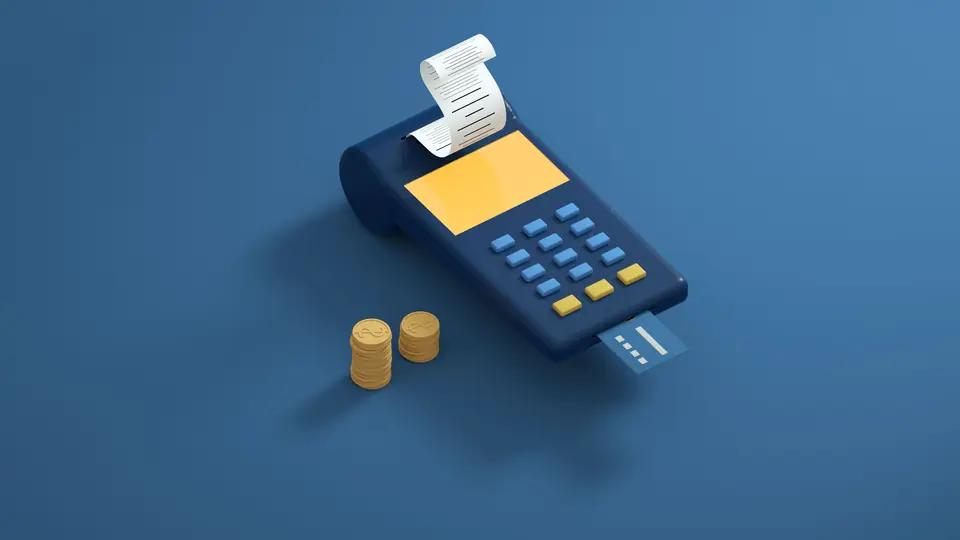
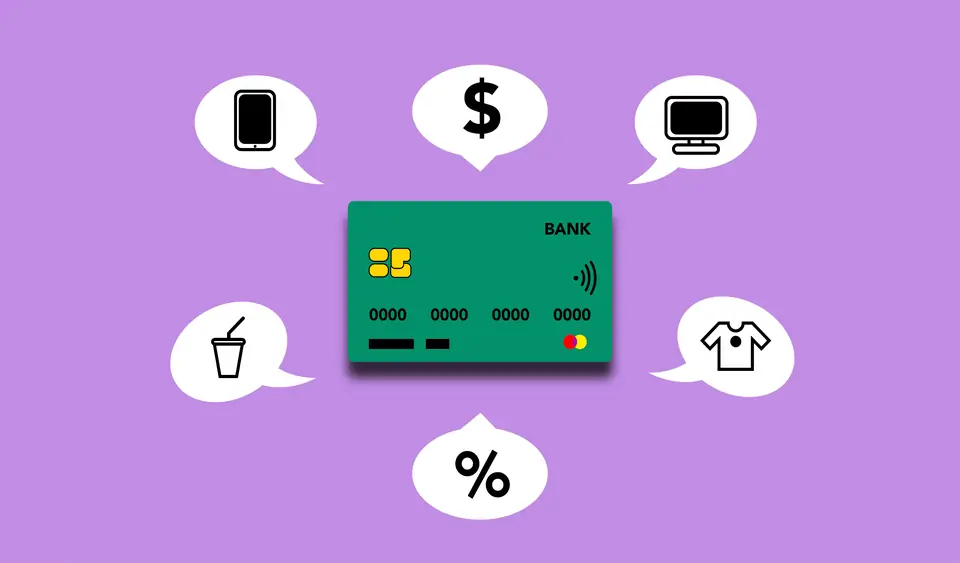
A USDT card is a debit or prepaid card linked to a USDT balance held by the card provider. At the till, the provider sells your USDT and the merchant receives local currency through the normal card network. For you it feels like any other card; for the merchant it is an ordinary card payment. That's why cards are the most practical way to spend USDT in countries where merchants can't accept crypto directly.
What a USDT card really costs
Card programs publish their fees in different places and different ways. Before you top up, find each of these in the fee schedule:
| Fee | What to check |
|---|---|
| Issuance and monthly fees | One-off card fee, delivery, monthly or annual charges |
| Top-up fee | Charged when you move USDT onto the card balance |
| Conversion spread | The rate used to sell USDT versus the reference rate |
| Foreign currency fee | Extra charge when paying in a currency other than the card's |
| ATM withdrawal | Provider fee plus whatever the ATM operator adds |
| Network fee to fund it | What your chosen network costs to send USDT to the card |
The conversion spread is the one people miss. Compare the rate the card uses with the live reference in our USDT converter. A card that advertises "no fees" but converts 2% below the reference rate is charging you 2%.
Also check who issues the card and where. Many crypto card programs are run by companies outside your country, with limited local consumer protection, and card programs can change terms, suspend regions or close. Keep only spending money on the card, not savings. Hong Kong readers will find more detail in USDT cards in Hong Kong.
Where Asian law limits crypto payments
Holding USDT is broadly legal across our ten markets. Paying with it is a different matter: several governments protect their currency's role as the only means of payment.
| Market | Paying with crypto | What that means in practice |
|---|---|---|
| Thailand | Licensed operators barred from enabling it | Baht only; tourist sandbox converts to baht |
| Turkey | Banned by the central bank | Spend lira; hold USDT separately |
| Vietnam | Not a lawful means of payment | Pay in dong only |
| Indonesia | Not allowed; rupiah only | Cash out before paying |
| Philippines | Not legal tender, not prohibited | Voluntary acceptance; QR pilots settle in pesos |
| Malaysia | Not legal tender | No recognised payment status; no explicit ban found |
| Hong Kong | Licensed stablecoin regime | USDT can't be offered to retail by permitted offerors |
| Japan | Stablecoins regulated as payment instruments | Registered dealers don't handle USDT |
| South Korea | Stablecoin law still pending | No regulated USDT payment route |
| Taiwan | New crypto law passed, not yet in force | Stablecoin issuance rules still in draft |
Thailand
Since 1 April 2022, an SEC notification bars licensed digital asset operators from advertising, building systems for or offering services that make it easier to pay for goods and services with crypto. Investing and trading are unaffected. The baht is the only legal tender, and the Bank of Thailand requires personal QR payments to be in baht. The exception is a sandbox for foreign tourists, TouristDigiPay, announced in August 2025: crypto is sold for baht and merchants are paid in baht, with limits of THB 500,000 a month and THB 100,000 per transaction. See paying with USDT in Thailand.
Turkey
A central bank regulation from 2021 bans paying for goods and services with crypto assets. That hasn't stopped Turks from using stablecoins: Chainalysis found that domestic P2P crypto trading in Turkey grew fivefold to about $3.56 billion in its latest yearly data, nearly all of the growth in stablecoins, with lira inflation pushing households to hold dollar-pegged tokens as savings. So USDT works as a savings tool, but spending happens in lira.
Vietnam and Indonesia
In Vietnam, virtual currency is not money or a lawful means of payment, and the new crypto framework requires that offering, trading and payment on licensed venues happen in dong. In Indonesia, only the rupiah may be used for payments, and the financial regulator has confirmed that stablecoins are not a legal means of payment.
Philippines and Malaysia
Neither country treats crypto as legal tender, but neither has a law forbidding a merchant from voluntarily accepting it. The regulated direction is clear, though: in the Philippines, pilots settle merchants in pesos; in Malaysia, the central bank's ringgit stablecoin pilots are wholesale and business-to-business only. Philippine readers: pay with USDT in the Philippines; Malaysian readers: pay with USDT in Malaysia.
Hong Kong, Japan, Korea and Taiwan
These markets regulate stablecoins as payment tools in their own right, which leaves USDT on the outside. Hong Kong's Stablecoins Ordinance lets unregulated stablecoins be offered only to professional investors, and its first licensed issuers are focused on Hong Kong dollar coins. Japan's registered stablecoin dealers handle USDC and a yen stablecoin, not USDT. Korea's stablecoin legislation is still pending. Taiwan passed its Virtual Asset Service Act but it hadn't taken effect at the time of writing. Local guides: Taiwan and Japan. The full regulatory picture is in USDT in Asia.
Network fees for a USDT payment
For direct payments, the network you choose is most of the cost. These are typical on-chain costs from recent measurements; they move with token prices and congestion.
| Network | Typical cost per transfer | Gas token needed |
|---|---|---|
| Tron (TRC20) | ~$2, or ~$4 to an address that never held USDT | TRX |
| Ethereum (ERC20) | About a cent when gas is low, dollars when busy | ETH |
| BNB Chain, Polygon, Arbitrum | Fractions of a cent | BNB, POL, ETH |
| Solana | Fractions of a cent | SOL |
| TON | Under one cent | TON |
Paying a $20 invoice on Tron without energy costs about 10% in fees; the same payment on TON costs almost nothing. That's why small payments are drifting to cheaper networks, as long as both sides support them. Compare live estimates in the fee calculator.
Accepting USDT as a freelancer or business
If you're on the receiving end, USDT payments from overseas clients can be faster and cheaper than international wires. A few practical points:
- Agree on the network in writing. Put the network and address on the invoice, and ask for a small test payment from new clients.
- Price in dollars, invoice in USDT. Since USDT tracks the dollar, there is little currency risk between invoice and payment, but USDT can trade slightly away from $1 during market stress.
- Plan the cash-out. Know which licensed platform you'll use to convert to local currency, and its limits. See how to cash out USDT.
- Keep records for tax. Income received in USDT is generally still income. Our tax overview explains the rules by country.
- Mind local rules. Where crypto payments are restricted for goods and services, check with a local adviser before advertising that you accept USDT.
Ready to hold digital dollars?
Buy USDT with a card or bank transfer on an established exchange with identity checks, then withdraw it to your own wallet on the network you need.
Operating since 2013 and registered with FinCEN (US) and the FCA (UK); readers in Asia are served by its international entity. Check availability and local rules in your country.
When paying with USDT makes sense
Paying with USDT shines when money crosses borders: settling with an overseas freelancer, paying for online services priced in dollars, or sending support to family, where it can beat bank wire fees. Our remittances guide compares those costs in detail. For everyday shopping at home, local payment rails such as QR codes, e-wallets and bank cards are usually cheaper and fully legal, and converting USDT through a card adds a layer of fees.
If you do pay with USDT, choose a low-fee network both sides support, keep the gas token in your wallet, test new addresses, and never send to a merchant you can't verify.