Can you pay with USDT in the Philippines? Yes, but rarely the way people imagine. Very few sari-sari stores, malls or restaurants take USDT directly, and the BSP doesn't treat crypto as legal tender. What works today: convert USDT to pesos inside GCash, Maya or Coins.ph and pay as usual with QR Ph; use one of the new stablecoin-to-QR Ph services where you pay in stablecoins and the merchant gets pesos; or use a crypto card that converts at the point of sale.
Paying someone directly in USDT does happen, mostly between freelancers, online sellers and their clients. This guide covers each route, what it costs, and the risks for both payers and merchants.
The four ways to spend USDT
| Route | How it works | Best for | Watch out for |
|---|---|---|---|
| Convert in an e-wallet, then pay | Sell USDT for pesos, pay by QR Ph or billers | Everyday spending, bills | Sell spread |
| Stablecoin-to-QR Ph | Pay a QR Ph code with stablecoins, merchant gets pesos | Shops on QR Ph | Still rolling out |
| Crypto card | Card converts crypto at checkout | Online and abroad | Issuer licensing, fees |
| Direct USDT payment | Send USDT to the seller's address | Freelancers, online deals | Irreversible, no buyer protection |
1. Convert to pesos in GCash, Maya or Coins.ph
This is how most Filipinos "pay with USDT", and it is the simplest. GCash's GCrypto, Maya and Coins.ph are all run by or powered by BSP-licensed platforms that list USDT.
- Hold USDT in a licensed app, or send it there from another wallet. Check the network on the deposit screen first.
- Sell only what you need. Selling ₱3,000 worth for a Meralco bill is fine; you don't need to convert your whole balance.
- Pay as usual. Use the pesos for QR Ph payments, billers, load, online shopping or bank transfers.
Example. Lea, a freelance VA in Quezon City, holds 400 USDT in GCrypto. Her electricity bill is ₱4,200. At an illustrative app price of ₱62.40, she sells about 67.3 USDT, gets roughly ₱4,200 in GCash, and pays Meralco in the same app. The cost is the spread between ₱62.40 and the market rate, about 60 centavos per USDT here, or roughly ₱40 on this bill.
For details on cashing out, see USDT to GCash and the live rate on our USDT to PHP converter.
USDT to PHP converter
LiveMid-market reference. Prices in local apps and P2P ads usually sit 0.2–3% away from this figure.
Live USDT rate unavailable — showing the USD reference rate (USDT ≈ 1 USD).2. Stablecoin payments over QR Ph
QR Ph is the national QR standard that lets you pay any participating merchant from any bank or e-wallet. Licensed players are now connecting stablecoins to it:
- Coins.ph has integrated stablecoins into the QR Ph payment network, so users can pay QR Ph merchants from their stablecoin balance while the merchant receives pesos.
- Maya announced a partnership with Lydian in May 2026 to enable crypto payments in the Philippines, with merchants settled in pesos.
For the shopper, it feels like scanning any QR Ph code. For the merchant, nothing changes: they get pesos and never touch crypto. These services are new and still rolling out, so check in-app whether your balance can be used for QR payments and what conversion rate applies.
3. Crypto and USDT cards
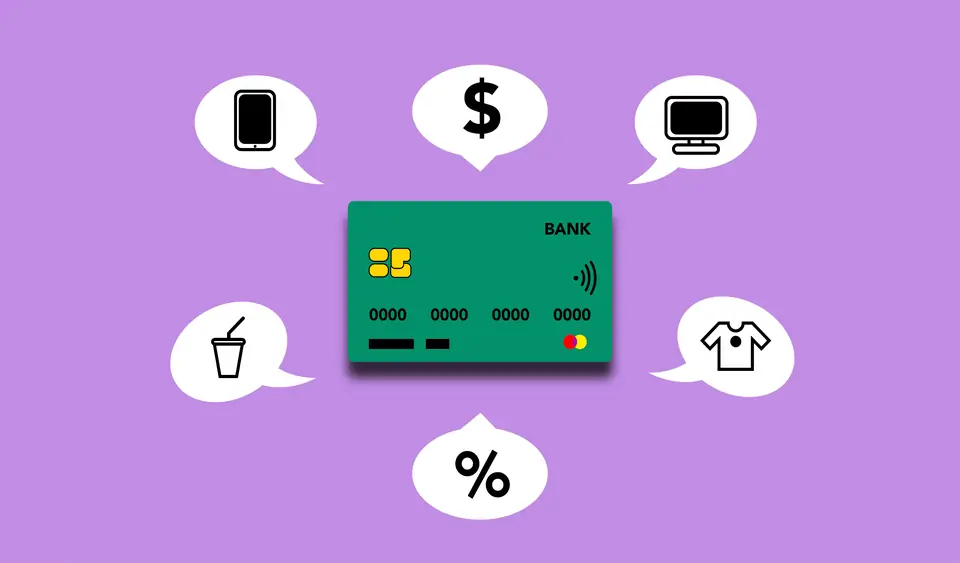
A crypto card is a Visa or Mastercard debit or prepaid card linked to a crypto balance. When you pay, the card provider sells your USDT for the merchant's currency. They are popular with digital nomads and people who earn in USDT.
Before you get one, check:
- Who issues it. Many cards come from offshore companies not supervised by the BSP. If the issuer has problems, your balance can be stuck, with no local regulator to help.
- Whether Philippine residents are eligible. Some cards exclude certain countries or change eligibility without much notice.
- Total fees. Look for conversion spreads, foreign-transaction fees (a card denominated in dollars or euros charges FX on peso purchases), ATM fees, and monthly or top-up fees.
- How top-ups work. Some require a specific network for USDT deposits.
For most people living in the Philippines, converting in a local licensed app and paying in pesos is cheaper and better protected than a foreign crypto card.
4. Paying someone directly in USDT
Direct payments make sense when both sides already use USDT: a foreign client paying a Filipino freelancer, a buyer and seller of digital services, or friends splitting costs.
- Agree the amount in USDT, or the peso amount and the rate. Say which rate source you'll use if pricing in pesos.
- Get the receiver's address and network. Confirm both by name: "TRC20" or "TON", not just "USDT".
- Send a small test for first-time payments.
- Share the transaction hash as your receipt.
Remember there's no chargeback. Card payments and some e-wallets give buyers dispute rights; a USDT transfer is final. Only pay people you trust or through a platform with escrow. Our send USDT guide covers the mechanics, and USDT on TON explains a low-fee option popular in Telegram communities.
Need USDT for payments?
A regulated exchange is the lower-risk way to get USDT you plan to spend, with clear records of what you paid.
Operating since 2013 and registered with FinCEN (US) and the FCA (UK); readers in the Philippines are served by its international entity. Check availability and local rules before you sign up.
For merchants and freelancers accepting USDT
If you sell online or freelance, accepting USDT can widen your market, especially for clients abroad. A few practical rules:
- Price in pesos or dollars, not "vibes". Quote a fixed USDT amount, or a peso amount with a named rate source, valid for a set time.
- Convert promptly if your costs are in pesos. USDT tracks the dollar, so a strong peso move changes what you receive in pesos.
- Use your own verified accounts. Receive into a wallet or licensed app in your own name.
- Know your customer. USDT from scam proceeds can be frozen by Tether, and P2P-style payments from strangers can drag you into an investigation.
- Record every payment's peso value on the day received. That's your income for tax purposes.
- Watch the rules. A draft BSP circular reported in September 2026 proposed tighter checks on banks and e-wallets serving crypto merchants. It is a proposal, not law, but it signals closer scrutiny. Our legal status page tracks the details.
Online shopping, games and subscriptions
Some international websites, VPN services, hosting providers and game stores accept USDT at checkout through a crypto payment processor. You'll usually see a QR code or address with a countdown timer and a fixed USDT amount. Two tips: send exactly the amount shown, on exactly the network shown, before the timer runs out, and send it from a wallet or exchange that lets you choose the network. Underpaying or paying late can leave your order stuck while support sorts it out. For local shops in the Philippines, paying in pesos through GCash or Maya remains far more common.
Paying for things abroad with USDT
Filipinos travelling or working overseas sometimes ask whether USDT is a cheaper way to spend in other currencies. The honest answer depends on the route:
- A crypto card abroad converts USDT straight into the local currency, which can avoid a double conversion from pesos. But card spreads and fees vary widely, so compare with your peso debit card's foreign-transaction charges before relying on it.
- Selling USDT locally in the country you're visiting means opening an account on a platform there, which usually requires local residency or ID.
- Paying foreign online merchants that accept crypto directly avoids card FX entirely, but you lose card dispute protection.
For most short trips, a peso card or an e-wallet with good foreign exchange rates is simpler. USDT makes more sense when you already earn in it and want to skip converting to pesos and back.
Costs at a glance
| Cost | Where it appears | How to keep it low |
|---|---|---|
| Sell spread | Converting USDT to pesos | Compare app price with the live rate |
| Network fee | Sending USDT between wallets | Use a low-fee network both sides support |
| Card FX and fees | Crypto card purchases | Prefer peso spending via local apps |
| Withdrawal fees | Moving pesos to a bank | Many InstaPay transfers are free |
Scams to watch when paying or getting paid
- "Pay in USDT for a discount." Sellers who insist on USDT for physical goods, then disappear. With no chargeback, you can't recover it.
- Fake payment screenshots sent to merchants. Confirm the transaction in your own wallet or block explorer before releasing goods.
- Fake QR codes pasted over real ones, or sent by message. GCash has blocked thousands of fraudulent merchants linked to QR scams.
- Overpayment tricks. A buyer "accidentally" sends too much and asks for a refund to another address, using stolen funds.
More in our USDT scams guide.
The realistic picture
Spending USDT in the Philippines mostly means spending pesos that started as USDT. That's fine: conversion inside GCash, Maya or Coins.ph takes seconds and keeps you inside licensed, peso-based payment rails. Direct USDT payments are useful for cross-border work and online deals, as long as you treat every transfer as final. As stablecoin-to-QR Ph services roll out, paying with USDT at an ordinary shop may become routine, but it's still early.